
Shoulder Pain Chiropractor in Prosper, TX
Shoulder pain can make everyday activities like reaching overhead, lifting, exercising, or even sleeping uncomfortable. At Helix Care, Dr. Scott Wright performs a comprehensive evaluation to understand what's contributing to your symptoms before developing a personalized treatment plan.
A Note From Dr. Wright
"The shoulder is one of the most mobile joints in the body. That mobility also makes it vulnerable to many different injuries and movement problems."
"Throughout nearly 17 years in practice, I've found that shoulder pain often involves much more than the shoulder itself. The neck, upper back, posture, shoulder blade mechanics, muscle balance, and movement patterns all influence how the shoulder functions."
"My goal is understanding why the shoulder became overloaded before recommending treatment. By looking at the whole picture, we can create a plan that addresses the root cause, not just the symptoms."
— Dr. Scott Wright
Understanding Shoulder Pain
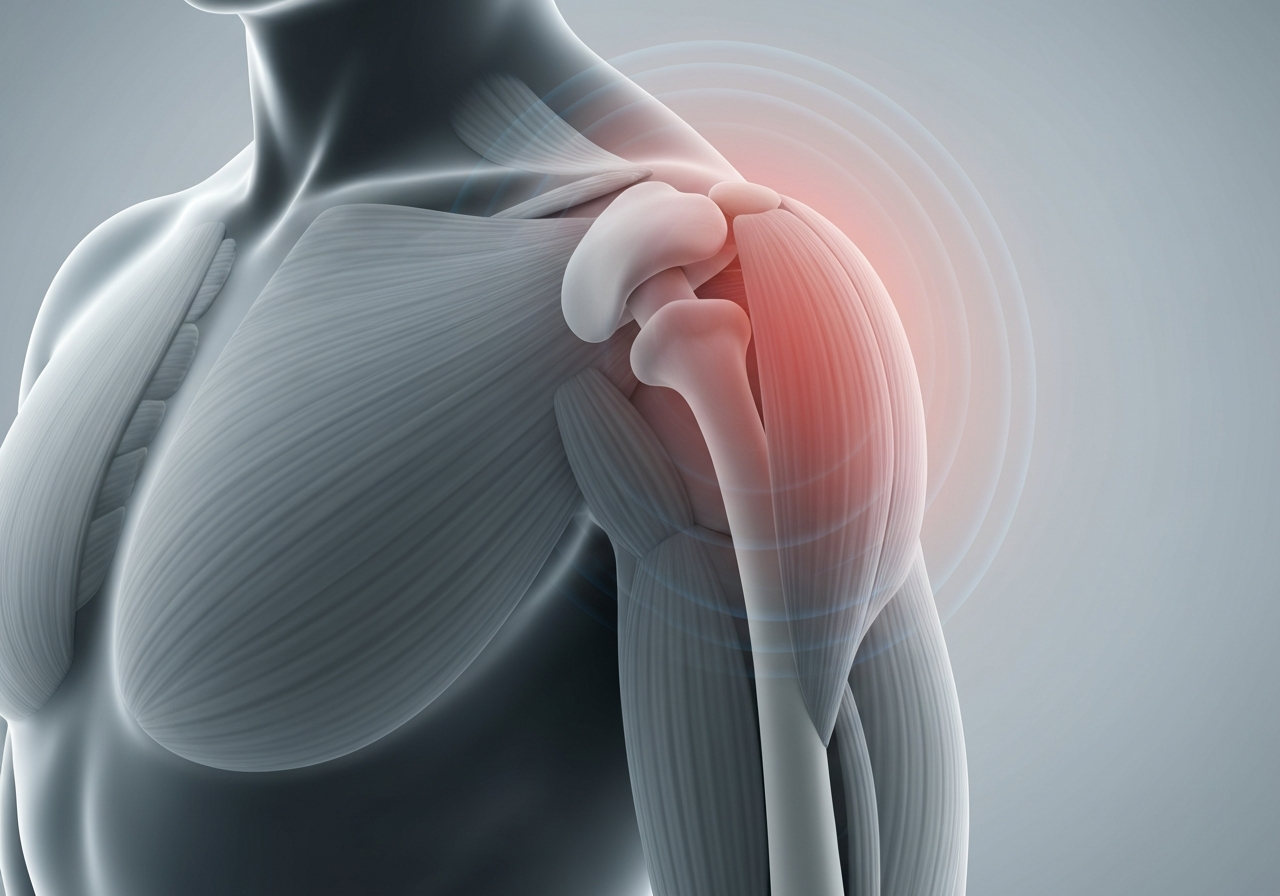
The shoulder complex is a highly orchestrated system involving the collarbone, shoulder blade, upper arm bone, and rib cage. This system is stabilized and mobilized by a network of muscles, ligaments, tendons, and cartilage like the labrum.
The Rotator Cuff: A group of four specific muscles acts as a dynamic stabilizer, keeping the "ball" centered in the "socket" during movement. Because the shoulder relies heavily on muscles for stability, it is incredibly sensitive to movement dysfunction.
Movement Mechanics: If your upper back is stiff or your posture is poor, your shoulder mechanics change. Your rotator cuff has to work harder, which can lead to irritation, impingement, or micro-tearing over time.
Acute vs. Chronic: Acute shoulder pain often follows a specific event, like a fall or sports injury, causing immediate inflammation. Chronic shoulder pain typically develops gradually from repetitive movements, lifting, or everyday activities, stemming from long-standing movement imbalances.
Similar symptoms can have very different underlying causes. A thorough evaluation helps distinguish between referred pain from the neck, local joint irritation, or muscular overload.
Common Causes Of Shoulder Pain
Shoulder discomfort can arise from various structures and movement patterns. Here are some of the most common factors we evaluate.
Rotator Cuff Irritation
Overuse, poor mechanics, or age-related changes can lead to irritation or micro-tearing in the stabilizing muscles of the shoulder.
Overhead Activities
Sports or jobs requiring repetitive overhead motion can gradually overload the shoulder joint and surrounding tissues.
Poor Posture
Rounded shoulders alter the position of the shoulder blade, reducing the space for tendons to glide smoothly during movement.
Weight Training
Improper lifting mechanics, particularly during heavy pressing, can place excessive stress on anterior shoulder structures.
Repetitive Work
Occupations requiring continuous reaching or holding the arms elevated can lead to cumulative strain over time.
Limited Upper Back Mobility
A stiff thoracic spine forces the shoulder to compensate and work harder to achieve full overhead reach.
Signs & Symptoms
Symptoms can vary significantly depending on the underlying cause of your shoulder pain.
- Pain reaching overhead
- Difficulty lifting
- Reduced range of motion
- Night pain
- Shoulder weakness
- Clicking or popping
- Pain during exercise
- Difficulty dressing
How Dr. Wright Evaluates Shoulder Pain
A thorough evaluation is the cornerstone of effective care. Because the shoulder is intimately connected to the rest of the body, examining the shoulder in isolation often misses the bigger picture.
Dr. Wright's evaluation begins with a detailed health history and a discussion of your specific activity goals. From there, he conducts a comprehensive movement assessment, evaluating your shoulder mobility, scapular movement, upper back mobility, and neck function.
With nearly 17 years of clinical experience, a Bachelor of Science in Exercise & Sport Sciences from Texas Tech University, and extensive postgraduate education in Functional Neurology, Dr. Wright evaluates the shoulder as part of an integrated movement system. He also leverages his collaborative healthcare experience with orthopedic surgeons and rehabilitation professionals to inform his approach.
Treatment recommendations are based on these thorough examination findings—not assumptions—ensuring that we address the true source of your pain.
Personalized Treatment Approach
Treatment recommendations depend entirely on the findings of your comprehensive evaluation. Every patient is unique, and care is individualized.
Chiropractic Adjustments
Targeted techniques to improve mobility in the cervical spine, thoracic spine, and shoulder joints to restore optimal mechanical function.
Myofascial Release
Hands-on soft tissue therapy to address tightness and restrictions in the muscles surrounding the shoulder, neck, and upper back.
Rehabilitation Therapy
Progressive exercise protocols designed to improve scapular control, correct movement dysfunctions, and stabilize the shoulder complex.
Therapeutic Exercise
Personalized mobility and strengthening routines tailored to your specific needs to build resilience and support long-term recovery.
Movement Education
Guidance on proper mechanics for lifting, sports, and daily activities to minimize unnecessary stress on the shoulder joint.
Strength Progression
A structured approach to safely reintroducing load and resistance, helping you confidently return to your favorite activities.
When Immediate Medical Evaluation Is Needed
While conservative care is highly effective for many cases of shoulder pain, certain symptoms require immediate medical evaluation. We encourage prompt medical attention if your shoulder pain is accompanied by any of the following "red flag" symptoms:
- • Significant trauma
- • Visible deformity
- • Sudden inability to lift the arm
- • Rapid swelling
- • Persistent numbness
- • Signs of fracture or dislocation
Dr. Wright is committed to an evidence-informed, patient-first philosophy. If during your evaluation it is determined that additional medical evaluation or a specialist referral is appropriate, he will promptly direct you to the right healthcare provider.
Why Patients Choose Helix Care
Patients choose Helix Care because we offer personalized evaluations rather than standard protocols. Our movement-based philosophy ensures that we look at the whole picture, not just the isolated area of pain.
With extensive sports medicine experience and a deep understanding of rehabilitation integration, Dr. Wright provides evidence-informed care that goes beyond the adjustment. His collaborative healthcare experience means he knows how to work effectively within a broader medical context when necessary.
Above all, we prioritize patient education. We want you to understand your body, your pain, and your recovery process, empowering you to achieve long-term wellness and confidence in your movement.
Frequently Asked Questions
Shoulder Pain Chiropractic Care Near Prosper, Celina & McKinney
Helix Care Chiropractic and Wellness is proud to serve the growing communities of North Texas. Conveniently located in Prosper, we regularly help patients from Celina, McKinney, Frisco, Little Elm, and Weston find relief from shoulder pain and restore their mobility.
Whether you are an athlete, office professional, tradesperson, parent, golfer, tennis player, CrossFit athlete, or active adult experiencing shoulder pain, our personalized approach is designed to meet your specific needs. We are dedicated to providing high-quality, movement-focused care to our neighbors throughout the region.
Let's Better Understand What's Causing Your Shoulder Pain
Shoulder pain often involves more than one structure. Dr. Scott Wright takes the time to evaluate your movement, posture, strength, and mobility before creating a personalized treatment plan designed around your goals and lifestyle.