
Back Pain Chiropractor in Prosper, TX
Back pain can affect every part of your life—but understanding why it developed is often the first step toward lasting improvement. At Helix Care, every evaluation begins with understanding how your body moves so treatment can be personalized to your unique needs.
A Note From Dr. Wright
"Back pain is one of the most common reasons people visit my office, but no two cases are exactly alike. Over nearly 17 years in practice, I've learned that treating back pain requires more than just addressing the area that hurts."
"Pain doesn't always originate where it is felt. The way you walk, how your hips move, your posture, and your daily activities all play a significant role. Movement tells a story. When you have pain, your body is signaling that something in that story needs attention."
"My goal isn't just to provide temporary relief. My goal is to understand exactly why your symptoms developed in the first place, identify the underlying movement compensations, and create a personalized treatment plan that helps you get back to the activities you love with confidence."
— Dr. Scott Wright
Understanding Back Pain
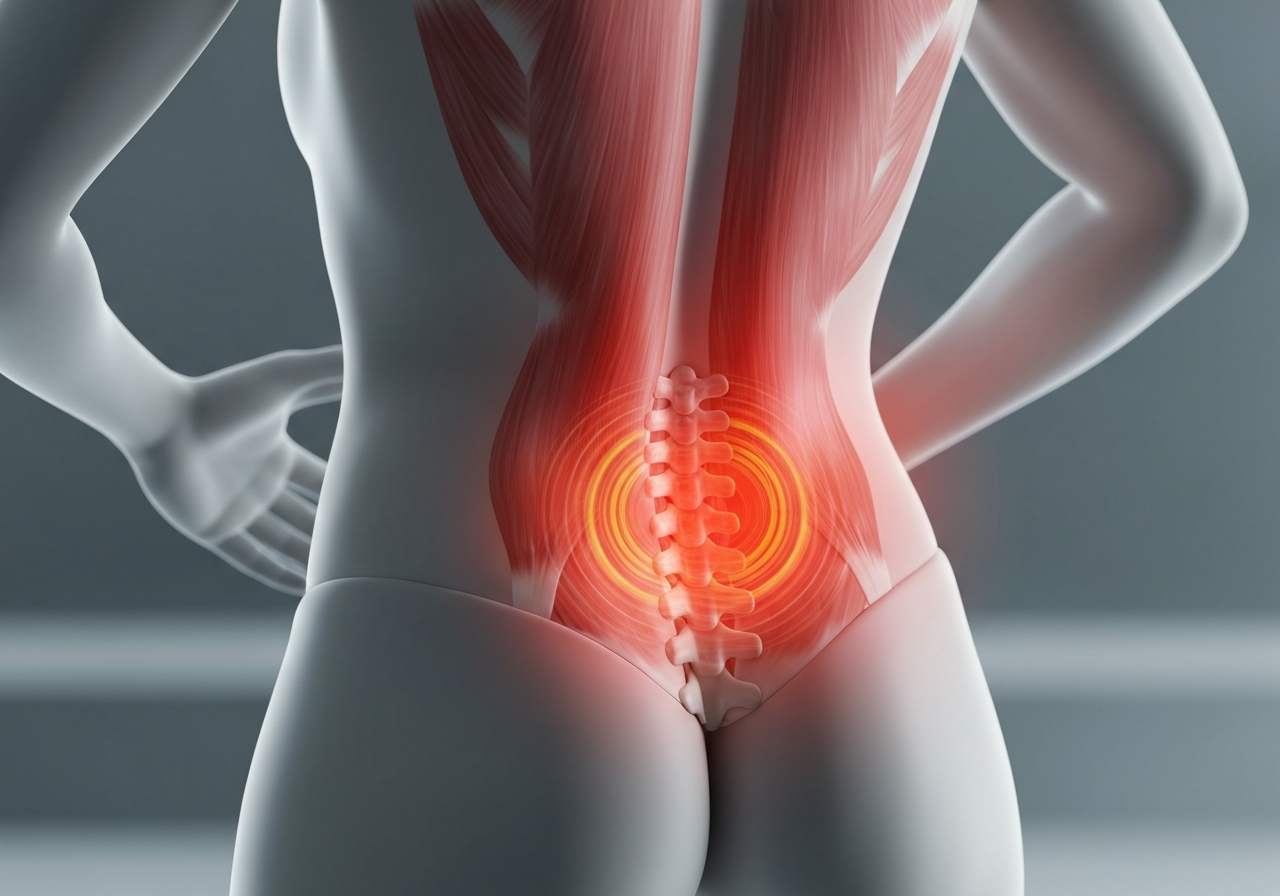
Your back is a complex structure made up of bones, joints, ligaments, and muscles. You can sprain ligaments, strain muscles, rupture disks, and irritate joints, all of which can lead to back pain. While sports injuries or accidents can cause back pain, sometimes the simplest of movements—for example, picking up a pencil from the floor—can have painful results.
Acute vs. Chronic Pain: Back pain is generally categorized as acute or chronic. Acute pain usually lasts from a few days to a few weeks and is often the result of trauma or a mechanical disruption. Chronic pain is defined as pain that persists for 12 weeks or longer, even after an initial injury or underlying cause has been treated.
Mechanical and Movement Causes: Many cases of back pain are mechanical, meaning they are caused by abnormal stress and strain on the muscles of the vertebral column. Poor posture, improperly lifting heavy objects, and poor body mechanics can all contribute to this stress.
Muscle and Joint Involvement: The muscles that support the spine can become weakened or imbalanced, leading to joint dysfunction. When spinal joints don't move correctly, it can cause inflammation and nerve irritation.
Disc Involvement: The intervertebral discs act as shock absorbers between the vertebrae. If a disc bulges or herniates, it can press on adjacent nerves, causing significant pain that may radiate into the legs.
Lifestyle Factors: A sedentary lifestyle, prolonged sitting, and lack of regular exercise can weaken the core muscles that support the spine, making it more susceptible to injury.
Common Causes Of Back Pain
Back pain can stem from a variety of sources. Identifying the specific factors contributing to your discomfort is essential for effective treatment.
Poor posture
Sustained forward flexion or slouching can place uneven stress on spinal joints and surrounding muscles.
Prolonged sitting
Extended periods at a desk can lead to shortened hip flexors and weakened glutes, increasing low back strain.
Improper lifting
Lifting with the back rather than the legs is a common catalyst for acute muscular strains and disc irritation.
Sports injuries
High-impact activities, sudden twisting, or overtraining can lead to joint sprains and muscle tears.
Muscle strain
Overworking or suddenly stretching a muscle beyond its capacity can cause microscopic tears and inflammation.
Joint dysfunction
Restricted movement in the spinal joints (subluxations) can alter biomechanics and trigger discomfort.
Disc irritation
Bulging or herniated discs can press on adjacent nerves, causing localized back pain or radiating symptoms.
Movement imbalances
Compensating for a previous injury or asymmetrical strength can overload specific areas of the back.
Pregnancy
Changes in center of gravity and hormonal shifts can increase laxity and stress on the lumbar spine and pelvis.
Degenerative changes
Age-related wear and tear, such as osteoarthritis or degenerative disc disease, can reduce spinal flexibility.
Sedentary lifestyle
A lack of regular movement can lead to stiffness, reduced blood flow, and weakened supportive core muscles.
Repetitive movement
Repeated bending, twisting, or reaching can gradually wear down tissues and lead to repetitive stress injuries.
Signs & Symptoms
Symptoms of back pain vary significantly from patient to patient. What feels like a dull ache to one person might present as sharp, stabbing pain to another.
- Stiffness and decreased range of motion
- Sharp, stabbing pain in a specific area
- Dull, constant aching
- Difficulty bending or lifting
- Pain that worsens with prolonged standing
- Pain that worsens with prolonged sitting
- Pain after exercise or physical activity
- Pain radiating into the buttocks or legs
How Dr. Wright Evaluates Back Pain
This is where Helix Care separates itself. We don't just ask where it hurts; we ask why it hurts.
Dr. Wright draws upon nearly 17 years of clinical experience, a background in Exercise & Sport Sciences, and extensive postgraduate training in Functional Neurology and Sports Rehabilitation. Every evaluation includes a detailed health history, a comprehensive orthopedic examination, and a functional movement assessment.
We evaluate your posture, mobility, and strength. We look at how your hips, knees, and ankles move, because a restriction in one area often leads to compensation and pain in the back. We discuss your lifestyle, your daily demands, and your activity goals.
Treatment begins with understanding your unique movement patterns, ensuring that we address the root cause of your pain rather than simply masking the symptoms.
How We May Help
Based on the findings of your evaluation, we develop a personalized treatment plan utilizing a combination of evidence-informed therapies.
Chiropractic Adjustments
Targeted techniques to help restore proper joint motion, reduce stiffness, and improve nervous system function.
Myofascial Release
Hands-on soft tissue therapy to address muscular tension, fascial restrictions, and trigger points.
Rehabilitation Therapy
Focused exercises designed to correct movement dysfunction and support long-term recovery.
Therapeutic Exercise
Personalized strengthening and mobility routines to build stability and prevent future flare-ups.
Movement Education
Helping you understand your body mechanics to improve posture and reduce daily physical stress.
Lifestyle Recommendations
Guidance on ergonomics, activity modification, and daily habits to support your healing process.
When Should You Seek Medical Evaluation?
While chiropractic care is highly effective for many types of back pain, it may not be appropriate for every situation. Patient safety is our top priority. We encourage prompt medical evaluation if your back pain is accompanied by any of the following "red flag" symptoms:
- • Loss of bowel or bladder control
- • Progressive weakness in the legs
- • Significant recent trauma (e.g., auto accident or fall)
- • Fever accompanying back pain
- • Unexplained weight loss
- • Severe or worsening neurological symptoms
Dr. Wright is committed to an evidence-informed, patient-first philosophy. If during your evaluation it is determined that additional medical evaluation, imaging, or a specialist referral is appropriate, he will promptly direct you to the right healthcare provider.
Why Patients Choose Helix Care
Patients choose Helix Care because we offer personalized evaluations rather than standard protocols. Our movement-based philosophy ensures that we look at the whole picture, not just the isolated area of pain.
With extensive sports medicine experience and a deep understanding of rehabilitation integration, Dr. Wright provides evidence-informed care that goes beyond the adjustment. His collaborative healthcare experience means he knows how to work effectively within a broader medical context when necessary.
Above all, we prioritize patient education. We want you to understand your body, your pain, and your recovery process, empowering you to achieve long-term wellness and confidence in your movement.
Frequently Asked Questions
Back Pain Chiropractic Care Near Prosper, Celina & McKinney
Helix Care Chiropractic and Wellness is proud to serve the growing communities of North Texas. Conveniently located in Prosper, we regularly help patients from Celina, McKinney, Frisco, Little Elm, and Weston find relief from back pain and restore their mobility.
Whether you are an active adult, a competitive athlete, an office professional, or a busy parent, our personalized approach is designed to meet your specific needs. We are dedicated to providing high-quality, movement-focused care to our neighbors throughout the region.
Let's Find The Cause Of Your Back Pain
Back pain doesn't have to keep you from living the life you enjoy. Whether your symptoms developed recently or have been bothering you for years, Dr. Scott Wright takes the time to understand your movement, your goals, and your unique situation before creating a personalized treatment plan.