
Sciatica Treatment in Prosper, TX
Pain, numbness, tingling, or weakness traveling into the leg can have several different causes. At Helix Care, Dr. Scott Wright performs a comprehensive evaluation to determine what's contributing to your symptoms before creating a personalized treatment plan focused on restoring movement and function.
A Note From Dr. Wright
"Many people are surprised to learn that sciatica is a description of symptoms—not a diagnosis. It tells us that a nerve is being irritated, but it doesn't tell us why."
"Over nearly 17 years in practice, I've found that successful treatment begins by identifying why the sciatic nerve is being irritated rather than simply treating the pain traveling down the leg. The spine, hips, muscles, movement patterns, and daily activities all influence how the body functions."
"My goal is to understand the source of your symptoms so treatment is based on the underlying cause, not assumptions. Only by understanding the complete picture of how your body moves can we create a plan that effectively addresses your sciatica."
— Dr. Scott Wright
Understanding Sciatica
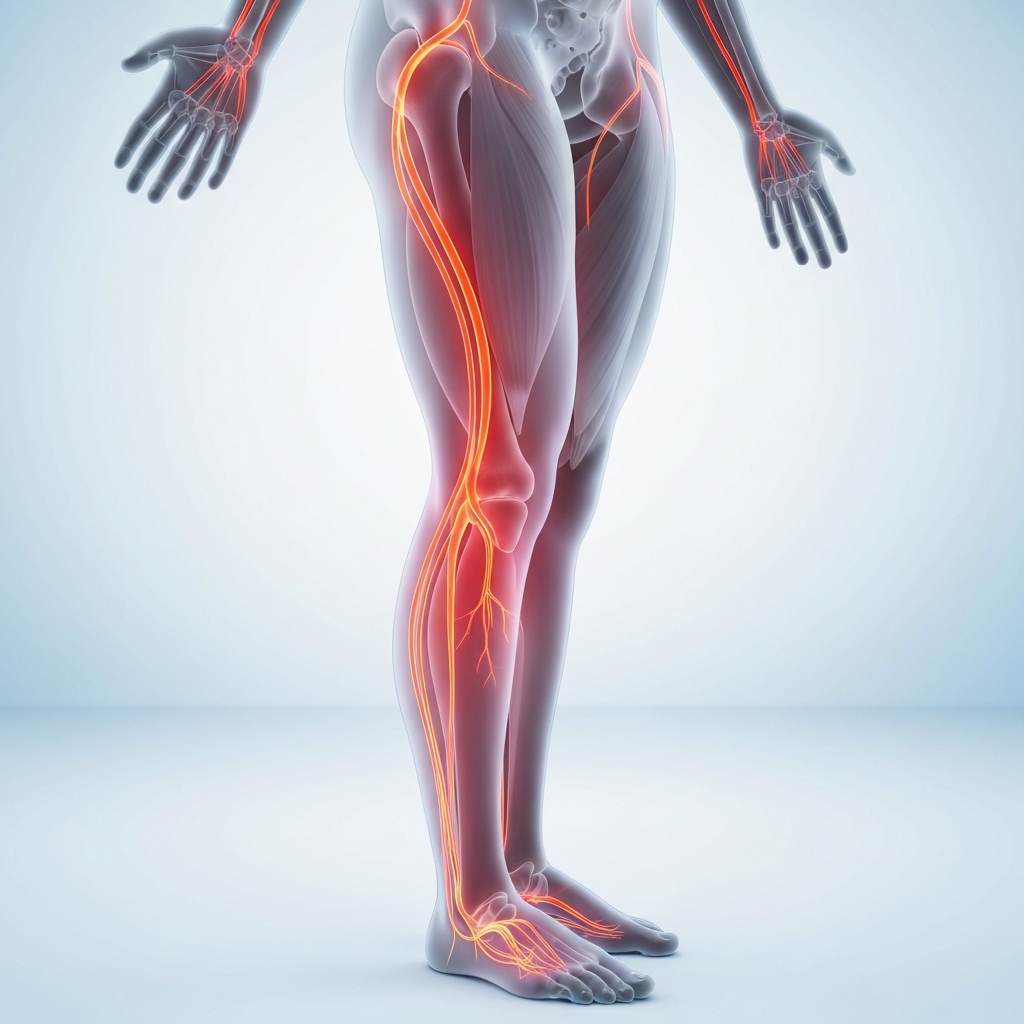
The sciatic nerve is the largest and longest single nerve in the human body. It is formed by several nerve roots that exit the lower spine, traveling deep through the buttock and down the back of the leg.
Why Symptoms Travel: Because the sciatic nerve covers such a vast area, any irritation or compression along its pathway can cause symptoms to radiate far from the actual source of the problem. This is why you might feel intense pain in your calf, even if the nerve is being irritated in your lower back or pelvis.
Sciatica vs. Low Back Pain: It is crucial to distinguish between true sciatica and general lower back pain. While they often occur together, sciatica specifically implies neurological involvement. The symptoms—such as sharp, shooting pain, numbness, or tingling—are the direct result of interference with the nerve's ability to transmit signals properly.
Common Sources of Irritation: The causes of this interference can vary widely. A bulging or herniated disc in the lumbar spine can press directly against the nerve root. However, the nerve can also be irritated by joint dysfunction in the spine or pelvis, or muscular issues, such as when the piriformis muscle in the buttock spasms and compresses the nerve beneath it.
Movement Dysfunction: If your body has developed compensatory movement patterns due to an old injury, poor posture, or muscular imbalances, it can place abnormal stress on the lower back and pelvis. Over time, this mechanical stress can lead to inflammation and nerve irritation. Every case is different, and similar symptoms may have very different underlying causes.
Common Causes Of Sciatica
Sciatic nerve irritation is rarely caused by a single event. It is often the result of cumulative stress, poor mechanics, or underlying structural issues.
Disc Irritation
Bulging or herniated discs in the lumbar spine can place direct pressure or chemical irritation on the sciatic nerve roots.
Joint Dysfunction
Restrictions or improper movement in the lumbar facet joints or pelvis can alter spinal mechanics and lead to nerve irritation.
Muscle Tension
Chronic tension in the lower back, glutes, or hamstrings can alter pelvic mechanics and indirectly increase stress on the sciatic nerve.
Piriformis Syndrome
The sciatic nerve runs near the piriformis muscle in the buttock. If this muscle spasms, it can compress the nerve.
Repetitive Stress
Activities that require repetitive bending, lifting, or twisting can gradually wear down spinal structures and lead to inflammation.
Poor Movement Mechanics
Compensatory movement patterns developed after an old injury can place uneven stress on the lower back and pelvis over time.
Signs & Symptoms
Sciatica presents differently in every patient. While some experience a mild ache, others suffer from sharp, debilitating pain.
- Pain down the leg
- Tingling or "pins and needles"
- Numbness in the leg or foot
- Burning sensations
- Muscle weakness
- Pain while sitting
- Difficulty walking
- Reduced mobility
How Dr. Wright Evaluates Sciatica
Because sciatica is a symptom of an underlying problem, an accurate diagnosis requires a comprehensive evaluation. Dr. Wright begins with a detailed health history to understand how and when your symptoms started.
The physical examination goes far beyond simply pressing on your lower back. It includes a thorough movement assessment, orthopedic examination, and neurological screening—including testing your reflexes, sensation, and strength—to identify exactly where the nerve is being compromised.
With nearly 17 years of clinical experience, a Bachelor of Science in Exercise & Sport Sciences from Texas Tech University, and extensive postgraduate education in Functional Neurology, Dr. Wright approaches your evaluation from a multifaceted perspective. We evaluate your mobility, walking mechanics, balance, posture, and daily activities.
Treatment recommendations are based on these thorough examination findings—not imaging alone—ensuring that we address the root cause of your pain.
Personalized Treatment Approach
Treatment recommendations depend entirely on the findings of your comprehensive evaluation. Every patient is unique, and care is individualized.
Chiropractic Adjustments
Targeted techniques to help restore proper joint motion in the lumbar spine and pelvis, reducing mechanical stress on the nervous system.
Myofascial Release
Hands-on soft tissue therapy aimed at reducing tension in the glutes, piriformis, and lower back muscles.
Rehabilitation Therapy
Focused, progressive exercises designed to correct underlying movement dysfunctions and stabilize the supporting structures.
Therapeutic Exercise
Personalized strengthening and mobility routines tailored to your specific needs, helping to build resilience.
Movement Education
Teaching you how to move safely during your daily activities, from lifting mechanics to proper sitting posture.
Lifestyle Guidance
Guidance on sleep positions, workplace ergonomics, and activity modifications to support your body's healing process.
When Immediate Medical Evaluation Is Needed
While conservative care is highly effective for many cases of sciatica, certain symptoms require immediate medical evaluation. We encourage prompt medical attention if your sciatica is accompanied by any of the following "red flag" symptoms:
- • Loss of bowel or bladder control
- • Saddle numbness (numbness in the groin area)
- • Rapidly worsening weakness in the leg
- • Major trauma (e.g., severe fall or accident)
- • Progressive neurological symptoms
Dr. Wright is committed to an evidence-informed, patient-first philosophy. If during your evaluation it is determined that additional medical evaluation or a specialist referral is appropriate, he will promptly direct you to the right healthcare provider.
Why Patients Choose Helix Care
Patients choose Helix Care because we offer personalized evaluations rather than standard protocols. Our movement-based philosophy ensures that we look at the whole picture, not just the isolated area of pain.
With extensive sports medicine experience and a deep understanding of rehabilitation integration, Dr. Wright provides evidence-informed care that goes beyond the adjustment. His collaborative healthcare experience means he knows how to work effectively within a broader medical context when necessary.
Above all, we prioritize patient education. We want you to understand your body, your pain, and your recovery process, empowering you to achieve long-term wellness and confidence in your movement.
Frequently Asked Questions
Sciatica Chiropractic Care Near Prosper, Celina & McKinney
Helix Care Chiropractic and Wellness is proud to serve the growing communities of North Texas. Conveniently located in Prosper, we regularly help patients from Celina, McKinney, Frisco, Little Elm, and Weston find relief from sciatic nerve pain and restore their mobility.
Whether you are an active adult, a competitive athlete, an office professional, or a family experiencing sciatic symptoms, our personalized approach is designed to meet your specific needs. We are dedicated to providing high-quality, movement-focused care to our neighbors throughout the region.
Let's Better Understand What's Causing Your Sciatica Symptoms
Sciatic symptoms can interfere with work, exercise, sleep, and everyday life. Dr. Scott Wright takes the time to understand your movement, strength, mobility, and overall function before creating a treatment plan designed around your individual needs.