
Scoliosis Chiropractor in Prosper, TX
Every person with scoliosis experiences it differently. At Helix Care, Dr. Scott Wright focuses on understanding how scoliosis affects movement, posture, strength, and daily function before developing a personalized treatment approach.
A Note From Dr. Wright
"Many people become anxious after being told they have scoliosis. The thought of an abnormal spinal curve can feel overwhelming. One of the most important things I've learned over nearly 17 years in practice is that an X-ray only tells part of the story."
"I've seen patients with larger curves who experience very few symptoms, while others with smaller curves may have significant discomfort. A measurement on an X-ray doesn't dictate how you feel. My job is understanding how scoliosis affects the way your body moves—not simply measuring the curve."
"My goal isn't to 'straighten' your spine. My goal is helping you improve function, confidence, mobility, and quality of life through individualized, movement-based care."
— Dr. Scott Wright
Understanding Scoliosis
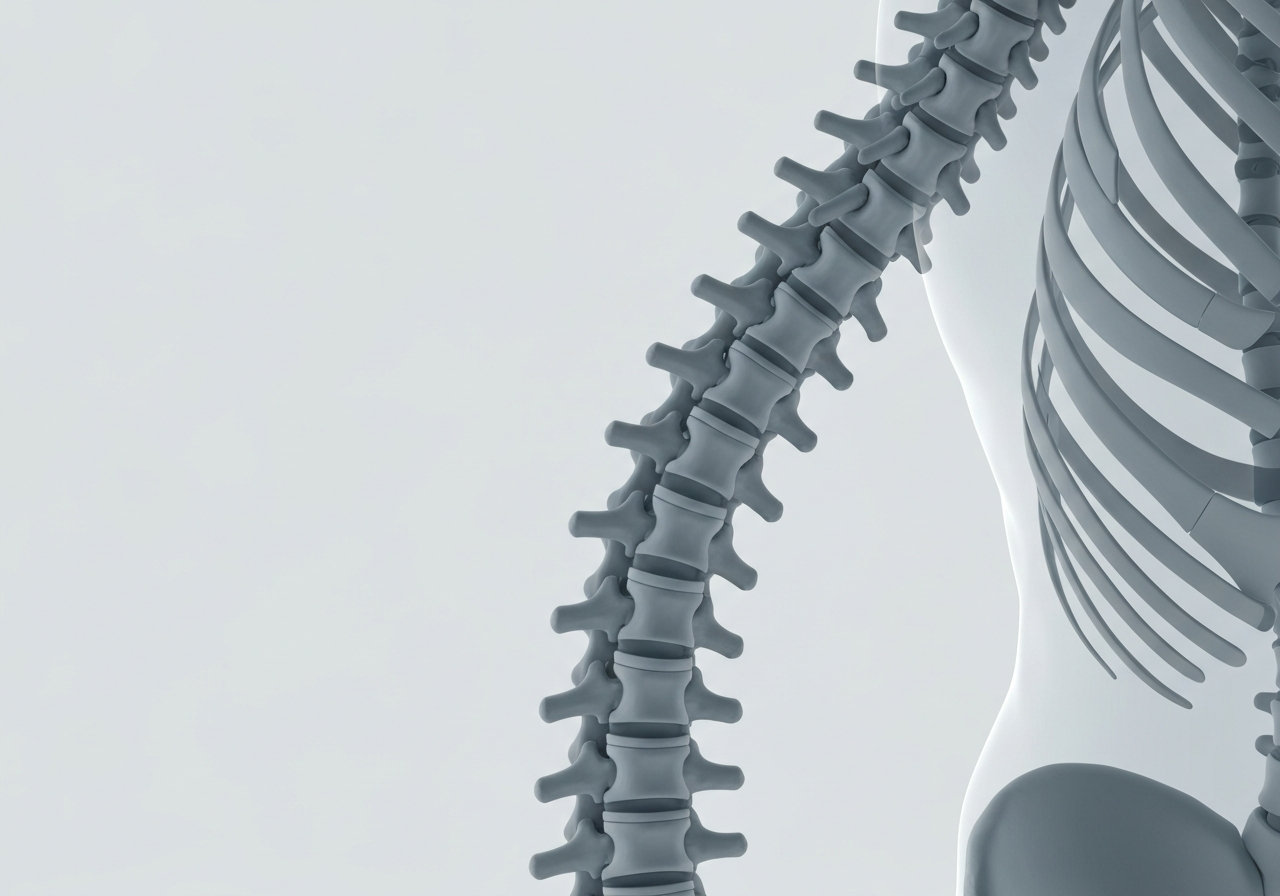
Scoliosis is a condition where the spine develops an abnormal sideways curve. While a healthy spine appears straight when viewed from behind, a spine with scoliosis may curve in a "C" or "S" shape. It is a structural condition, meaning the bones themselves have rotated and shifted.
Adolescent Scoliosis: The most common form is adolescent idiopathic scoliosis, which typically appears during the growth spurt just before puberty. "Idiopathic" means the exact cause is unknown. While it is important to monitor these curves as children grow, many adolescents with scoliosis lead completely normal, active lives.
Adult Degenerative Scoliosis: Adults can also develop scoliosis later in life. This usually occurs in the lower back as the discs and joints degenerate asymmetrically over time, leading to a gradual curvature. This type of scoliosis is often accompanied by joint stiffness and nerve irritation.
Every Case Is Unique: It is essential to understand that the degree of curvature does not always predict symptoms. Two people with the exact same curve measurement can have entirely different experiences. This is because pain and dysfunction are heavily influenced by posture, muscle balance, mobility, and daily function.
When the spine curves asymmetrically, the surrounding muscles must adapt. Muscles on one side may become tight and overworked, while muscles on the other side may become lengthened and weak. This muscular imbalance, rather than the curve itself, is often the primary source of discomfort.
Common Symptoms of Scoliosis
Scoliosis affects everyone differently. While some individuals experience no symptoms, others may notice changes in posture, mobility, and comfort.
Uneven Shoulders
One shoulder may appear higher than the other, or a shoulder blade might be more prominent.
Muscle Tightness
Asymmetrical spinal curves often cause muscles on one side to become tight and overworked.
Back Pain
Discomfort can develop from muscular imbalances, joint stress, and altered movement patterns.
Fatigue
The body expends more energy to maintain balance and posture, leading to muscular fatigue.
Hip Imbalance
One hip may sit higher or appear more prominent, affecting walking mechanics.
Reduced Mobility
Spinal stiffness and muscular tension can limit flexibility and range of motion.
Postural Changes
A visible shift in posture, such as leaning slightly to one side or a noticeable rib prominence.
Activity-Related Discomfort
Pain or stiffness that worsens during or after physical activity, prolonged standing, or sitting.
How Dr. Wright Evaluates Scoliosis
Because every case of scoliosis is unique, treatment decisions must be based on the patient—not simply the X-ray.
Drawing upon nearly 17 years of clinical experience, a background in Exercise & Sport Sciences, and extensive training in Functional Neurology and Sports Rehabilitation, Dr. Wright conducts a comprehensive evaluation that looks beyond the structural curve.
Your evaluation will include a detailed health history and a thorough movement assessment. We evaluate your posture, muscular strength, joint mobility, balance, and functional movement. We want to understand how your body has adapted to the curve and where those adaptations are creating unnecessary stress.
By discussing your lifestyle, daily demands, and personal goals, we can ensure that our collaborative healthcare approach is focused on improving what matters most to you.
Personalized Treatment Approach
Our treatment focuses on improving movement and function—not "straightening" the spine. Every treatment plan is individualized based on your specific needs.
Chiropractic Adjustments
When appropriate, targeted techniques to help restore proper joint motion and reduce stiffness.
Myofascial Release
Hands-on soft tissue therapy to address muscular tension and fascial restrictions caused by asymmetrical curves.
Rehabilitation Therapy
Focused exercises designed to correct movement dysfunction and support functional mobility.
Therapeutic Exercise
Personalized strengthening and mobility routines to build stability and improve muscular balance.
Movement Education
Helping you understand your body mechanics to improve posture and reduce daily physical stress.
Home Recommendations
Guidance on ergonomics, activity modification, and daily habits to support your long-term function.
When Should Additional Medical Evaluation Be Considered?
While conservative chiropractic care can significantly improve comfort and mobility for many individuals with scoliosis, it is not a cure, and certain situations require specialized medical attention.
- • Rapid progression of the curve
- • Significant neurological symptoms
- • Loss of bowel or bladder control
- • Persistent, unexplained pain
- • Symptoms following recent trauma
Patient safety is always our priority. If during your evaluation Dr. Wright determines that your condition requires orthopedic consultation, specialized bracing, or surgical evaluation, he will recommend the appropriate referral or co-management strategy.
Frequently Asked Questions
Scoliosis Care Near Prosper, Celina & McKinney
Helix Care Chiropractic and Wellness is dedicated to helping patients throughout North Texas manage the physical demands of scoliosis. Located in Prosper, we provide personalized, movement-based care for residents of Celina, McKinney, Frisco, Little Elm, Weston, and surrounding communities.
Whether you are an adolescent monitoring a curve, an athlete looking to improve performance, or an active adult managing degenerative changes, Dr. Wright focuses on improving your mobility, function, and comfort so you can maintain the lifestyle you enjoy.
Let's Better Understand How Scoliosis Is Affecting Your Movement
Every person with scoliosis is different. Dr. Scott Wright takes the time to evaluate how your spine, muscles, posture, and movement work together before creating a personalized treatment plan focused on improving comfort, mobility, and long-term function.